Introduction
Choosing the right clothing manufacturers is crucial for any fashion brand. Many manufacturers can help you produce quality items at a reasonable price. But finding the right one isn’t always easy.
Some factories have minimum order requirements. Others may deliver substandard products or miss deadlines. These can negatively impact your sales and drain your finances.
That’s why you need to choose your manufacturer carefully. Verify their past work and order terms. Make sure they can meet your brand’s requirements.
This guide will help you find a reliable manufacturer to support your clothing business.
Key Highlights:
- Experienced clothing manufacturers can help brands ensure quality with large bulk orders.
- Low minimum order quantities (MOQs) enable brands to place smaller orders.
- Product samples let buyers visualize how the product will look in bulk.
- Custom clothing manufacturers give brands more control over their clothing.
- As a clothing business expands, it can rely on a dependable manufacturing partner to support repeat orders.
What to Look for in Reliable Clothing Manufacturers
More than just price is involved in selecting a manufacturer. The factory should be familiar with your product and be able to fulfill your order requirements. These are three important items to look for.
(1) The Experience in Manufacturing and Specialization of Products.
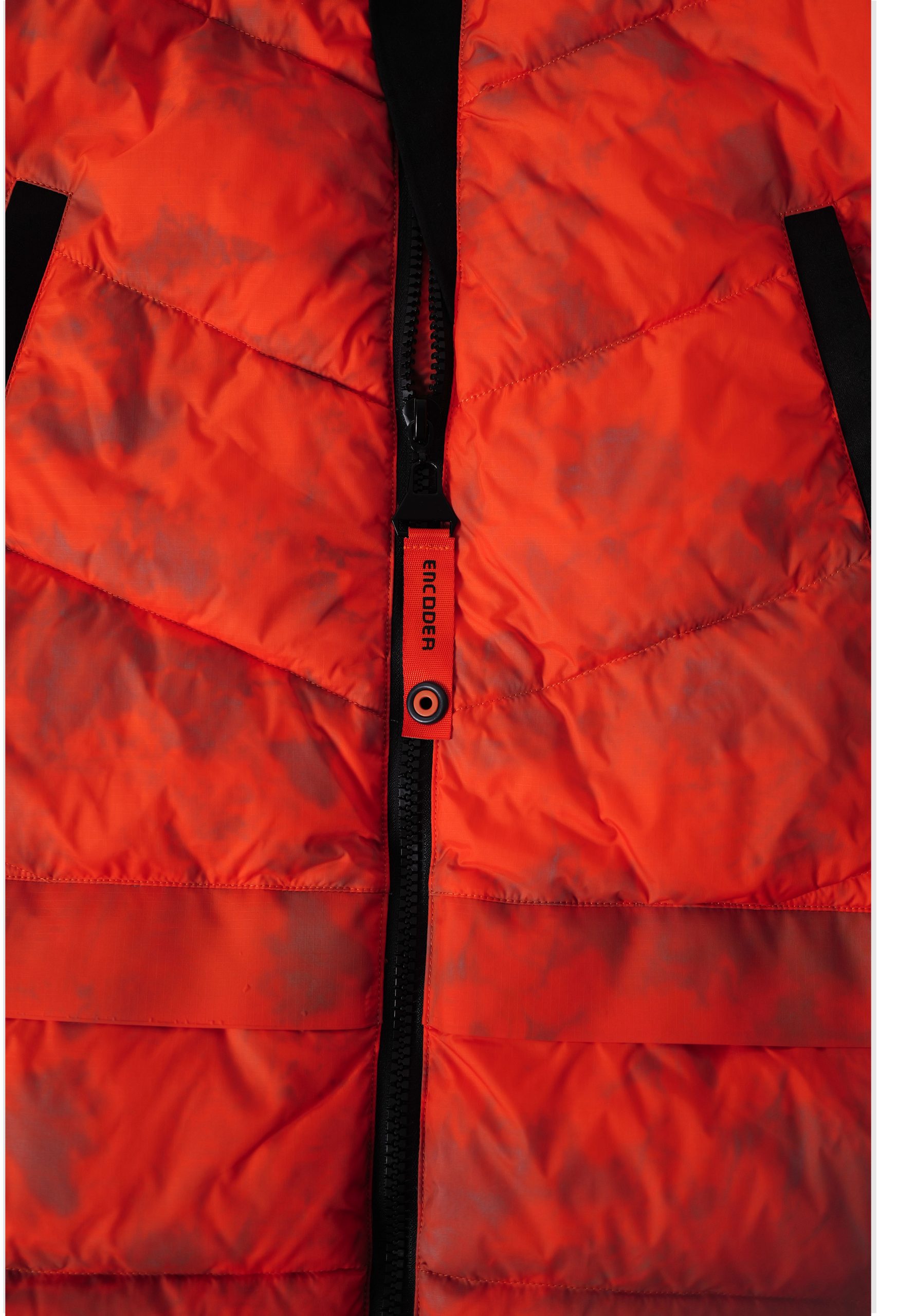
Not every clothing factory produces all types of clothing. Some specialize in sportswear and T-shirts. Some produce jackets, coats, and other outerwear.
Select a factory with experience producing the type of product you’re making. For instance, jackets must have durable stitching and zippers. The appropriate padding and lining are also crucial for winter jackets.
Request samples of the previous work that the factory has produced. Look at the finish, fit, and fabric. This will help you decide whether the factory can provide the services you need.
An experienced factory can also spot design problems early. This can help to reduce both time and costs in mass production.
(2) MOQ and Production Capacity

Each factory has its own MOQ for clothing. This is the minimum quantity you can order.
Some factories won’t accept anything less than large orders. This can be an issue for new brands. The larger the order, the more the stock costs.
Look for a manufacturer with an MOQ that fits your budget.
Another important factor is the factory’s production capacity. If your sales increase, ask if it can accommodate larger orders. Make sure it has enough staff and equipment to complete projects on time.
(3) Quality Standards and Communication
The product should be of good quality, which is essential for customer satisfaction. It can cause returns if stitching or weak zippers can cause returns. Retailers can also have issues with the wrong sizes.
Ask about the factory’s quality control processes during manufacturing. Ask if it checks each batch before shipping. You can also request product samples before placing a bulk order.
But it’s also important to communicate clearly. The factory should answer questions and provide regular updates on your order.
It should also inform you of any delays as early as possible. This will help you plan your inventory and shipping schedule.
A good manufacturer should offer a good price, consistent quality, and transparent order terms. These factors matter more than choosing the lowest-price factory.
How to Evaluate Clothing Manufacturers Before Placing an Order
The first step will be to find a factory. Determine whether it fits your needs. A bit of research will help you avoid costly mistakes. Here are some considerations before making a bulk order.
(1) Research Factory Background and Capabilities

First, look into the factory’s history and past work. Inquire how long it has been sewing. Ask what it produces most.
A company that produces jackets daily might be a better option for an outerwear brand. It’ll understand which fabrics and sewing techniques will work best.
Also look at the factory’s website and product photos. Ask about its workers and machinery. Schedule a factory visit/video call if available.
For sustainable clothing brands, inquire for proof. Review fabric records and pertinent factory certificates. Don’t rely only on website claims.
(2) Request Product Samples and Check Quality
Don’t order anything without sampling the products. A sample represents the factory product.
Pay attention to the stitching and fabric. Check that the zippers work well. Try the clothes on to check the fit. Make comparisons to your measurement chart.
Also inspect how the fabric feels after washing. Some materials may shrink or change shape.
If you detect any problems, ask the factory to correct them. If necessary, ask for an additional sample. Accept the final sample before bulk production.
(3) Compare Pricing, Lead Times, and Manufacturing Terms
Getting price quotes from several clothing factories can help you compare costs. But the lowest price isn’t necessarily the best.
Get a clear price quote from each factory. Be sure to find out what is included in the price. Some factories charge additional fees for labels, packaging, or custom designs.
Another question to pose is about production time. Ask for an estimate of when the factory can begin your order. See how long it takes to complete.
Discuss payment terms before depositing any money. Ask who will handle shipping and final quality control.
Have all terms of agreement documented. Use these to avoid conflicts later.
A good factory should have good terms and a good price. It should also provide the quality you agreed to.
(4) Check Reviews and Customer Feedback
Look into what others are saying about a factory before selecting it. Check reviews from startup and wholesale customers.
Another good way to find out about customer references is to ask the factory. Contact past buyers to learn about their experience. Ask about on-time delivery and quality control.
By following this feedback process, you can make better choices when selecting a factory you can trust.
(5) Ask About Returns and Faulty Products
Even the best factories can go wrong. That’s why you need to ask how they handle defective products.
See what happens if your order has incorrect dimensions or stitching errors. Ask about repairs or replacements for faulty items.
Understand these terms before ordering. This can protect your business from extra costs.
How to Work With Custom Clothing Manufacturers to Create Your Collection?
Custom clothing manufacturers help brands turn concepts into reality. They help companies develop garments in their style. But you need to provide clear details before production begins.
(1) Customization Options for Clothing Brands
Custom manufacturing gives brands better control over their products. You can choose the clothing fabric, color, size, and design.
For instance, a winter jacket needs thick padding and a warm inner lining. A rain jacket should use water-repellent material. The customer type and how they intend to use the jacket will determine which materials they need.
You can also add your brand Logo and Labels. Some factories offer embroidery and/or logo printing. Logo size and positioning are selectable.
Inquire with your producer what options are available. Some designs may require special fabrics or machines. Verify these details before ordering.
(2) From Design Specifications to Bulk Production
After creating your design, send a tech pack to your factory. This document shows how to make your clothing.
It should include sketches and size charts. Also include information about the stitching and fabric. Tell the factory where to attach the zippers and labels.
Then the factory will manufacture a sample according to your design. Review the sample before approval. See how it fits and how the fabric looks. Ensure all design elements comply with instructions.
If there are any issues, request changes. The factory may require another sample.
Once you approve the final sample, the factory can begin bulk production. Keep a record of the approved design and materials.
This will help the factory produce the same item for future orders. It also helps ensure your brand maintains the same level of quality in every batch.
Choosing the Right Manufacturing Partner for Your Business Growth
Your clothing line can begin with small orders. But as sales grow, you may need to order more. You need a factory that supports your company at every step.
If you’re seeking a clothing manufacturer for startups, consider the minimum order quantities they accept. A new brand usually has a smaller budget. A factory with a low order limit can be a great asset for testing new designs. You can then place additional orders once you know which styles are selling.
Another key difference is between manufacturers and wholesale clothing suppliers. When shopping for wholesale suppliers, you can often find ready-made clothes. They may not offer as much selection in fabrics and design. Direct Manufacturers can produce garments to your requirements. This gives you greater control over the finished product.
When selecting a factory, ask whether they can handle repeat orders. Ask whether they can use the same fabrics and size charts again. If you wish to maintain popular styles in stock, this is crucial.
It is also wise to understand the factory’s approach to larger orders. Some factories may be able to do a bit of work, but they can’t handle the order volume. Ask about the production volume they can provide and their lead time.
The right factory should meet your needs now and handle future orders. Choose one with decent terms and fair product quality. You can build a good working relationship that helps your brand grow over time.
FAQs:
1. How to Find Trustworthy Clothing Manufacturers for Startups?
First, locate factories that produce your preferred clothing. Look at their website and previous collections. Check reviews and request product samples. Also consider price comparisons and order terms. Choose a factory with good quality and communication.
2. What Is the Minimum Order Quantity When Working With Clothing Manufacturers?
The minimum order quantity (MOQ) varies by factory. It also depends on the product and design. Some factories can only accept large orders. Some will take smaller ones.
3. Can I Customize Clothing With My Own Brand Logo and Design?
Yes, many manufacturers offer custom branding. Printing or embroidering can be used to add your logo. You can also choose fabrics and colors. Before ordering, check with the factory to see what they have to offer. Always test a sample to ensure the design is correct.
4. What Is the Difference Between Clothing Manufacturers and Wholesale Clothing Suppliers?
Clothing manufacturers produce clothing according to your design requirements. They can provide custom sizes and fabrics.
Wholesale clothing suppliers typically sell products that are already made and sold in bulk. For brands looking for unique designs, manufacturers are likely a better choice. Wholesale suppliers can be a good fit for companies that need finished goods.
5. How Can I Verify Whether a Clothing Manufacturer Follows Sustainable Practices?
Ask the factory about its fabrics and manufacturing processes. Check for recycled materials. You can also request relevant certificates and test reports. Check that these documents are valid. You can verify their claims by visiting the factory or conducting an independent audit.
Final Thoughts
A suitable manufacturing partner can make a real difference for your clothing brand. It can help you introduce new designs to market and meet customer needs.
Building a strong relationship with a trustworthy factory also makes it easier to place orders later.
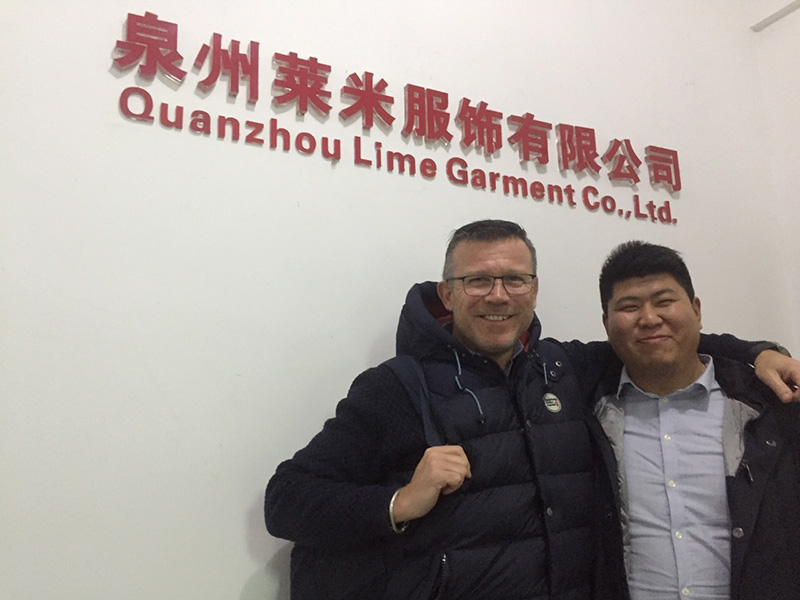
Lime China helps fashion brands and retailers mass-produce their own jackets. Brands can start with small quantities, with orders as low as 300 pieces per style per color (low MOQ).